Where Should Foreigners Buy Property in Kuala Lumpur in 2026? 8 Areas Compared
Fast Answer By Buyer Type
International schools, expat rentals and familiar condo choices.
Managed township feel, parks, community and daily convenience.
Scarcity, local desirability and established central living.
Premium convenience with MRT, offices and a quieter address.
The clearest international city-centre address, if the building is right.
MRT, Exchange TRX and office-led growth potential.
Retail, tourism, restaurants and high-footfall urban living.
More space, parks, retail and a stronger value angle.
Where The Areas Sit In KL
Search for the "best areas for expats in Kuala Lumpur" and you will usually find the same answers.
Mont Kiara.
KLCC.
Bangsar.
Desa ParkCity.
These recommendations are not necessarily wrong. They reflect where expatriates have historically lived, where international schools are located, where corporate tenants are familiar with, and where international communities have already formed.
But I think there is a problem with using that list to decide where to buy property.
Because:
Where foreigners traditionally rent is not automatically where a foreign buyer should purchase.
A tenant can choose convenience for the next two years.
A buyer has to think about entry price, lifestyle, holding period, future supply and eventually:
Who is going to buy this property from me?
That changes the question completely.
Instead of asking:
"Where do most expats live?"
I would ask:
"What am I actually paying a premium for — and do I personally need it?"
That's how I would compare Kuala Lumpur's major foreign-buyer markets.
The Eight Markets I Would Compare
| Area | What I think you're really paying for |
|---|---|
| Mont Kiara | International-school + established expat ecosystem |
| Desa ParkCity | Managed township + parks + community |
| Bangsar | Mature location + strong local desirability |
| Pavilion Damansara Heights | Premium integrated convenience without being in KLCC |
| KLCC | Maximum centrality + international city lifestyle |
| TRX | New financial district + Exchange TRX + MRT/office demand |
| Bukit Bintang | Retail, tourism, city nightlife and serviced-residence liquidity |
| Bukit Jalil | Space/value + recreation + retail + selected rail connectivity |
I don't think any one of these is universally better.
The interesting question is which premium you don't need to pay.
1. Mont Kiara — Are You Actually Using the Expat Premium?
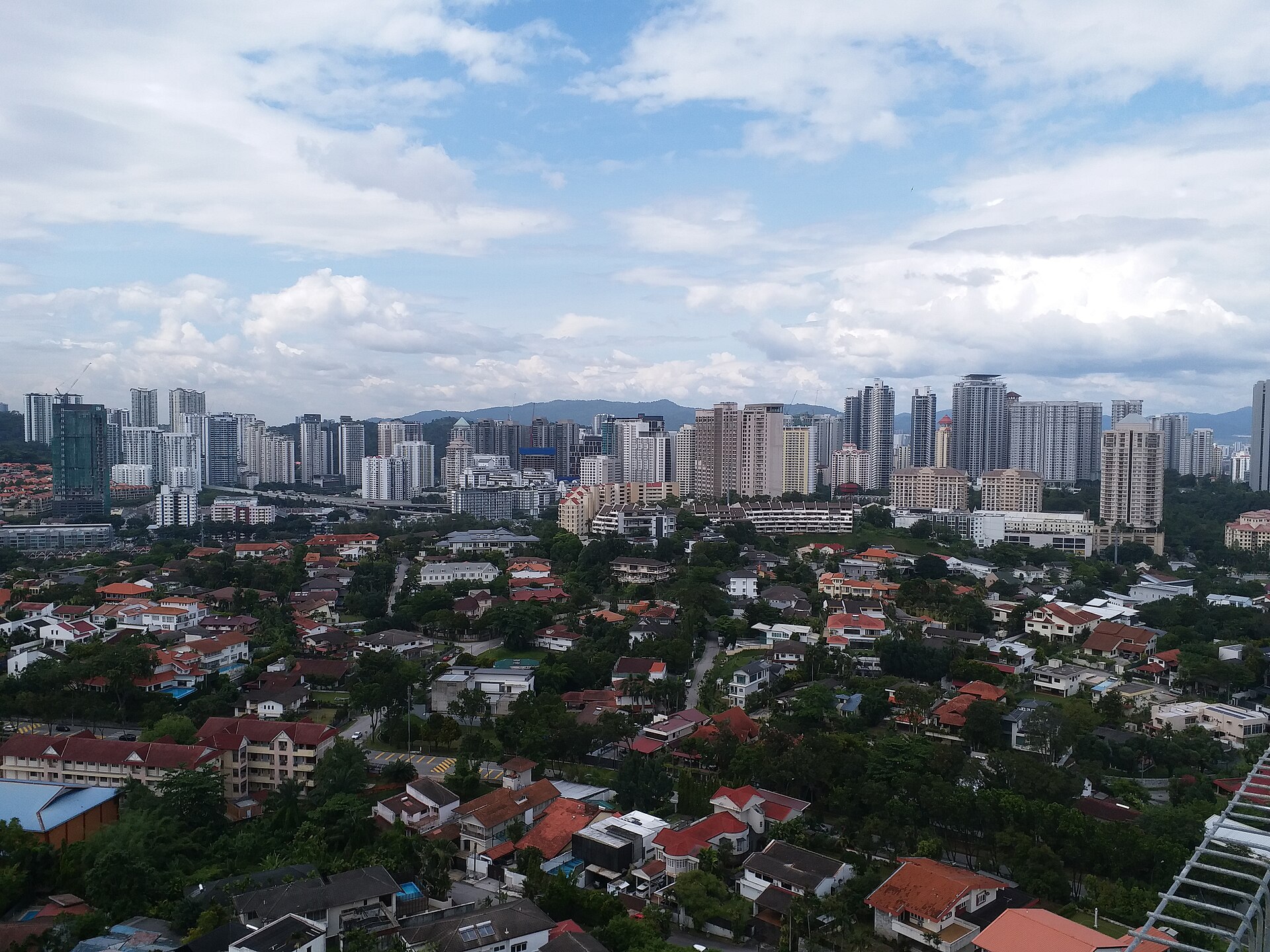
Mont Kiara's international-school ecosystem is real.
Garden International School and Mont'Kiara International School are located in the area, and that creates an entire ecosystem around international families.
If your children attend school there, Mont Kiara makes a lot of sense.
Think about what you're really buying.
You're not just saving 20 minutes on Google Maps.
You're potentially reducing the school-run burden twice a day, five days a week, for years.
That has real lifestyle value.
But what if you don't have children studying there?
Then I start asking more questions.
Mont Kiara still has advantages.
There is an established international community, mature services, recognisable rental demand and some older condominiums with genuinely large family-sized layouts.
So I wouldn't say:
"Mont Kiara is only for families."
But I would say:
If you're not using the school and expatriate ecosystem, make sure you're not paying for a premium that has little value to your own lifestyle.
Personally, I find parts of Mont Kiara quite cramped.
It is also still substantially car-dependent despite having a dense urban environment.
So for a child-free foreign couple, I would absolutely compare Mont Kiara against Bukit Jalil, Bangsar and other alternatives before making it the default choice.
2. Desa ParkCity — You're Paying for the Environment Outside Your Unit
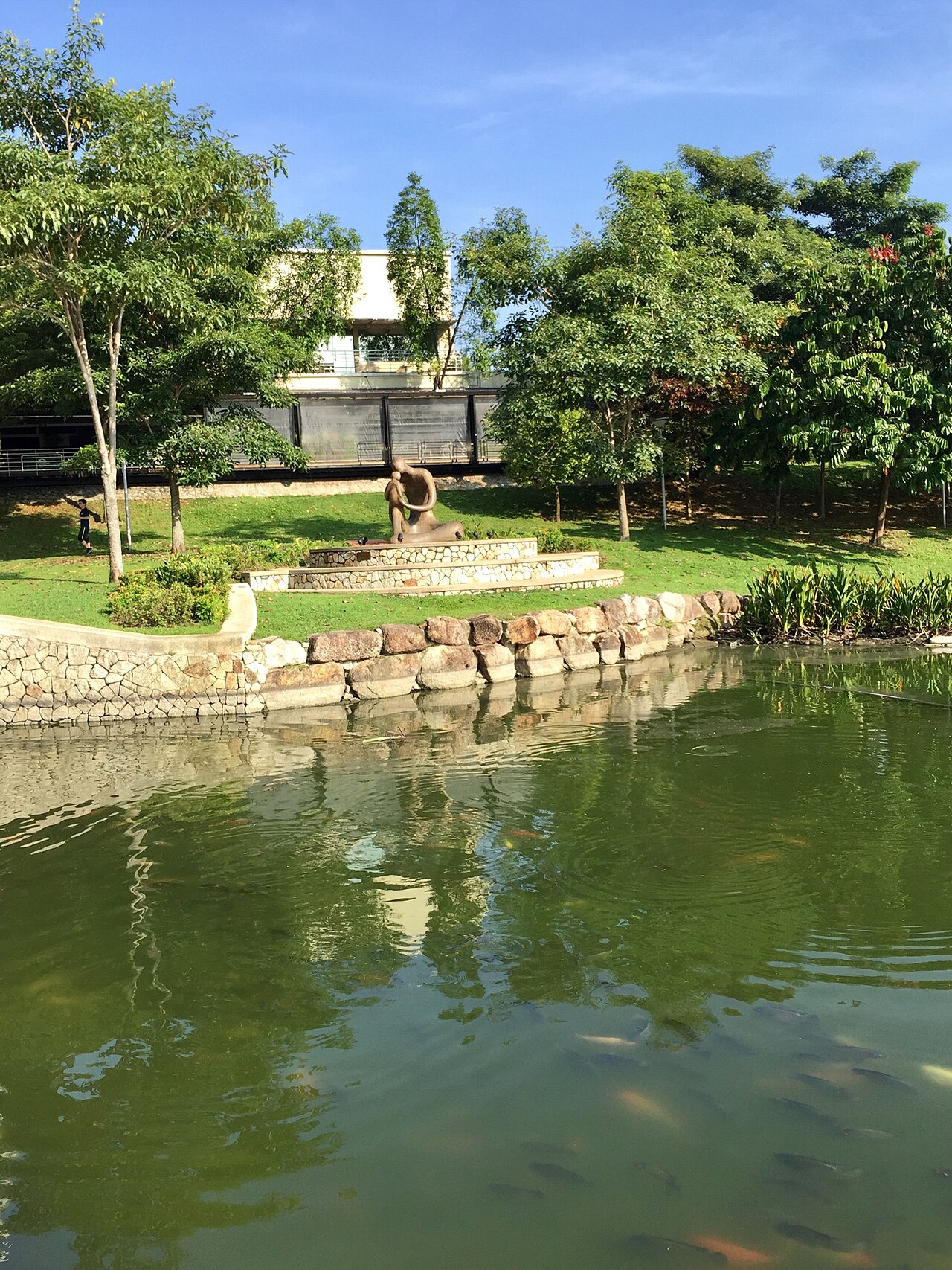
Desa ParkCity is almost the opposite.
The strongest part of the product isn't necessarily the condominium.
It's what happens when you leave it.
Parks.
Community.
Retail.
Managed public spaces.
Family environment.
Pet-friendly lifestyle.
Relatively controlled township planning.
This is difficult to reproduce simply by building a nicer condominium somewhere else.
I would especially consider DPC if pets are important
If someone tells me:
"My dog is a major part of my lifestyle. I want to walk outside, meet other pet owners and actually live in a pet-friendly neighbourhood."
Desa ParkCity immediately becomes difficult to replace.
But pets aren't the only reason to pay the premium.
Families may value the parks and community.
Retirees may value the environment.
Long-term owner-occupiers may simply prefer a more controlled township.
But if you don't use these things?
Then I start questioning the premium.
If you're comfortable driving, don't particularly need the community environment and mainly want space, greenery, shopping and convenience, Bukit Jalil becomes a serious comparison.
That's not saying Bukit Jalil is better.
It's asking:
How much is Desa ParkCity's managed lifestyle worth to you?
If the answer is "a lot," pay for it.
If the answer is "not much," don't automatically buy the postcode.
3. Bangsar — Don't Confuse Expat Popularity With Property Value
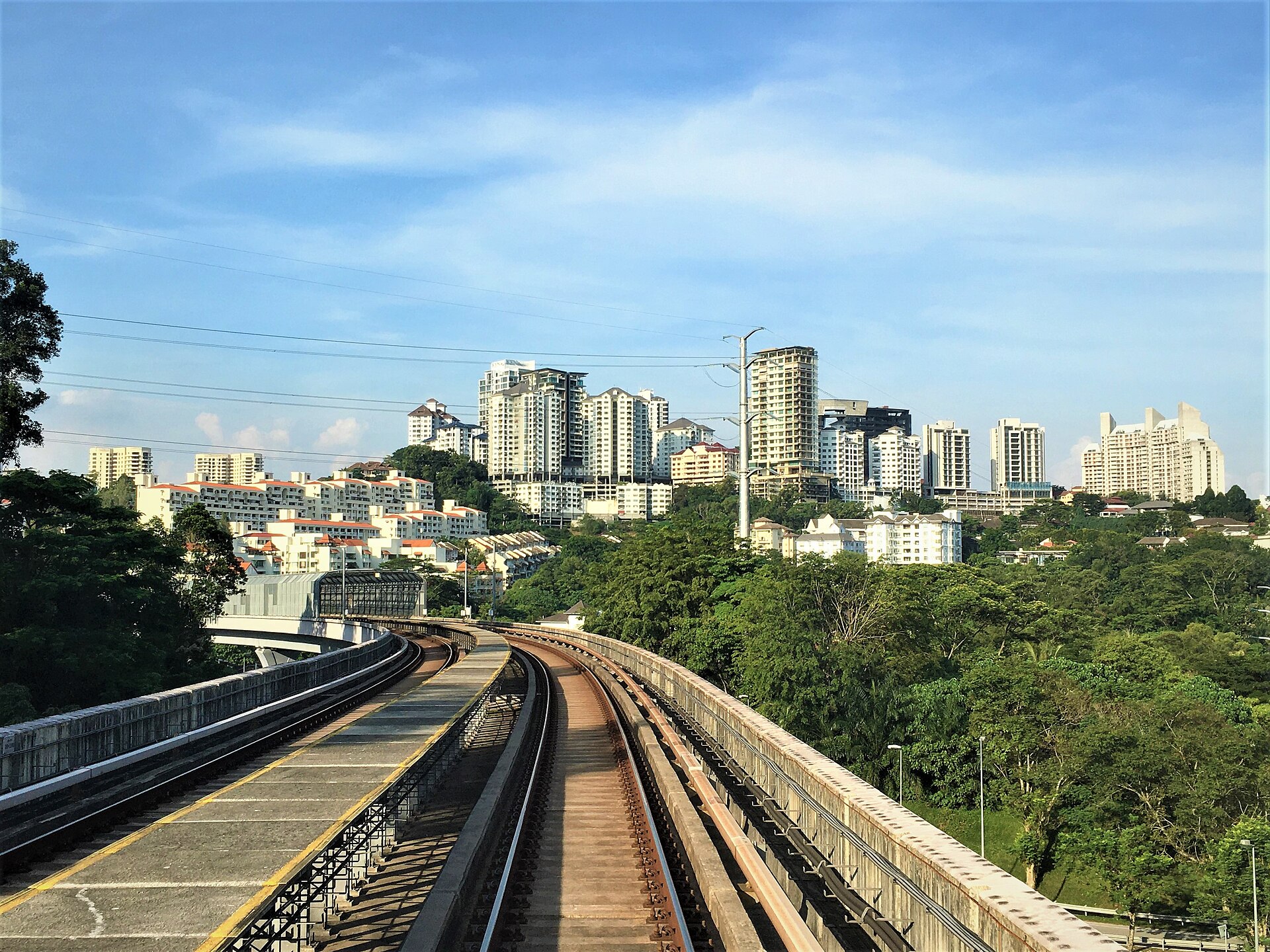
Bangsar is interesting because Malaysians don't need foreigners to tell us Bangsar is valuable.
It has long-standing local desirability.
It's mature.
It's central.
It has established F&B and lifestyle.
And it sits close to multiple employment areas.
That creates a different type of property story from an area dependent primarily on foreign tenants.
Why might foreigners overlook it?
Community.
Foreign buyers don't arrive in Kuala Lumpur with no existing reference point.
Colleagues tell them Mont Kiara.
School networks take them to Mont Kiara.
Other expatriates may already live there.
So an area can have strong underlying local demand without becoming the default foreign recommendation.
I actually consider that important for a buyer.
Because when you eventually sell, your next buyer does not necessarily need to be another expatriate.
Who do I like Bangsar for?
A working professional or couple who wants a mature central lifestyle.
Especially someone working around nearby employment nodes.
But I wouldn't say Bangsar is only for bachelors.
A family can absolutely prefer Bangsar.
The decision depends on housing type, school route, budget and exact location.
The bigger lesson is:
International popularity and local desirability are two different forms of demand.
For a property buyer, I want to understand both.
4. Pavilion Damansara Heights — Do You Actually Need KLCC?
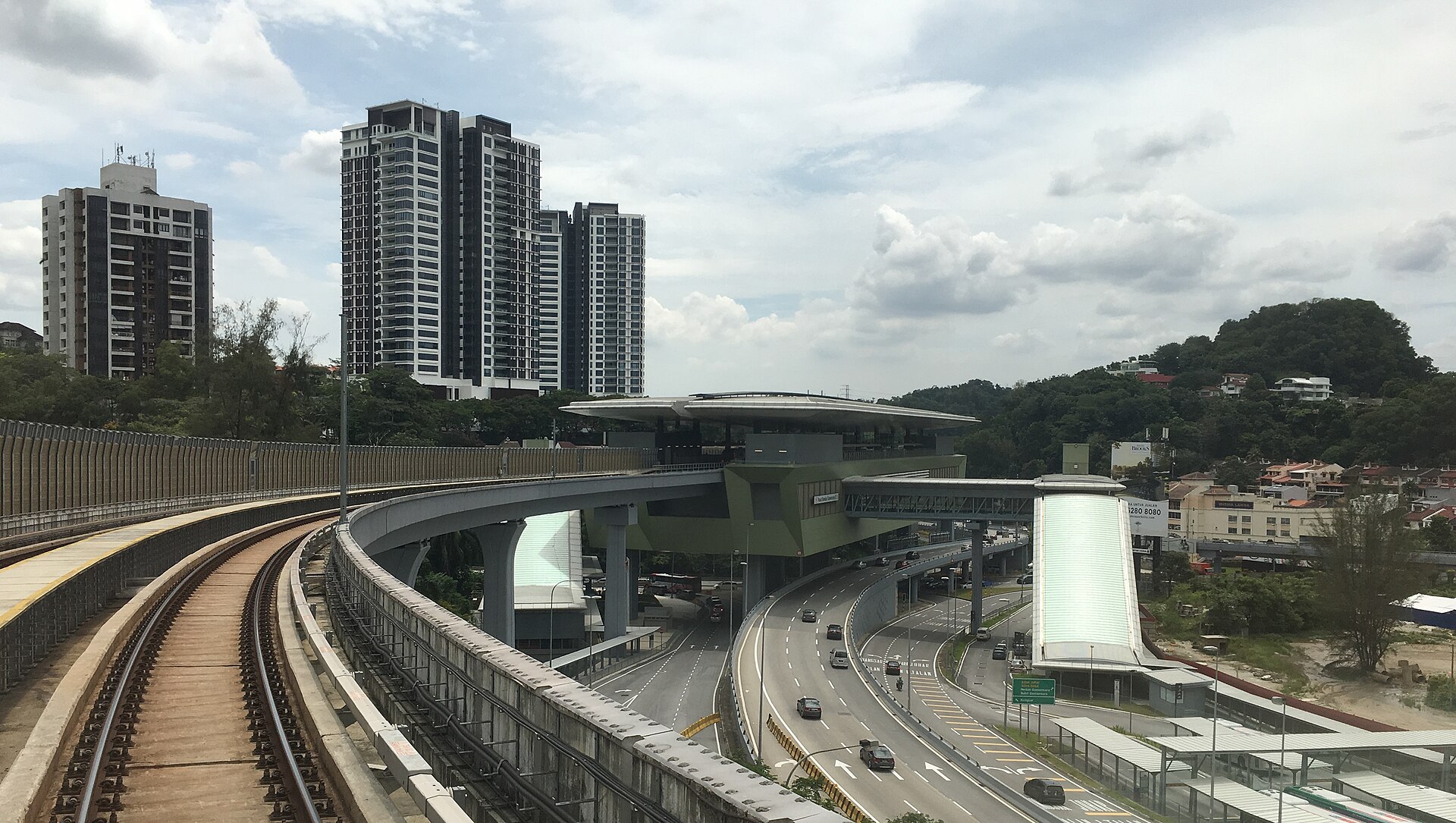
This is where I think foreign buyers should make a comparison that doesn't appear often enough.
Suppose you tell me:
"I want a premium new residence. I want MRT connectivity. I want a high-end mall downstairs or nearby. I want restaurants, offices and daily convenience. I want to be reasonably central."
Most foreign buyers immediately start looking at KLCC.
My question is:
Why?
Not because KLCC is bad.
But because we should first establish which part of KLCC you're actually willing to pay for.
Pavilion Damansara Heights gives us an interesting counterexample.
It combines premium residences with Pavilion retail, offices and MRT connectivity in an integrated development.
And it's located within the broader Damansara Heights environment rather than Kuala Lumpur's main tourist core.
That makes it a very different proposition from simply saying:
"Damansara Heights is prestigious."
Compare It With The Conlay
The Conlay is useful because it represents a relatively contemporary premium KLCC product.
Pavilion Damansara Heights has generally recorded a lower transaction PSF than The Conlay.
That doesn't automatically make Pavilion Damansara Heights better value.
But it raises the question:
What additional benefit am I receiving for the higher KLCC entry price?
If the answer is:
"I work in KLCC every day."
That's valuable.
If it's:
"I want the city-centre lifestyle."
Also valuable.
If it's:
"I want KLCC prestige and international recognition."
That's a legitimate preference.
But suppose your answer is:
"I mainly want MRT + premium retail + restaurants + modern residence + convenience."
Then the comparison becomes much less obvious.
And KLCC Itself Is Not One Product
Oxley Towers / Jewel by Oxley KLCC is a good example of why. Within a few hundred metres of the Petronas Towers you can find branded serviced residences, investor-heavy towers and premium lower-density developments that behave very differently from each other — Oxley Towers is one of them. I wouldn't use it to establish a clean price-per-square-foot relationship against Pavilion Damansara Heights, though: the transaction data for it is too thin and inconsistent to support that specific comparison.
What I would point to instead is the MRT and retail integration itself. Pavilion Damansara Heights is directly connected by a covered bridge to Pusat Bandar Damansara MRT, and it sits inside the same integrated complex as the Pavilion mall. The Conlay, by comparison, is a short walk from Conlay MRT but stands alone — no mall built into the tower itself.
So I wouldn't say Pavilion Damansara Heights is "better than KLCC." That's not a real comparison — they're different products for different buyers. The question I'd actually ask is:
If Pavilion Damansara Heights already gives you direct MRT connectivity, Pavilion retail integration, a quieter residential proposition and a lower acquisition basis, how much of the remaining KLCC premium are you willing to pay specifically for KLCC's centrality, address and lifestyle?
The Question Foreign Buyers Should Ask
This is the real Pavilion Damansara Heights versus KLCC argument:
Am I paying for a better property, or am I paying for the KLCC address?
Sometimes paying for KLCC is absolutely rational.
You might need genuine CBD walkability.
You might want the international address.
You might value proximity to KLCC Park.
You might travel constantly and prefer city-centre hotel infrastructure.
You might simply love living there.
That's fine.
But if what you actually want is:
MRT + premium mall + restaurants + offices + luxury residence + central accessibility
then I would put Pavilion Damansara Heights on the table before deciding.
And if you also prefer a quieter, less tourist-oriented environment, the comparison becomes even more relevant.
That's a much stronger reason to consider Damansara Heights than simply saying:
"Rich Malaysians live there."
5. KLCC — Choose the Building Before You Choose the Address
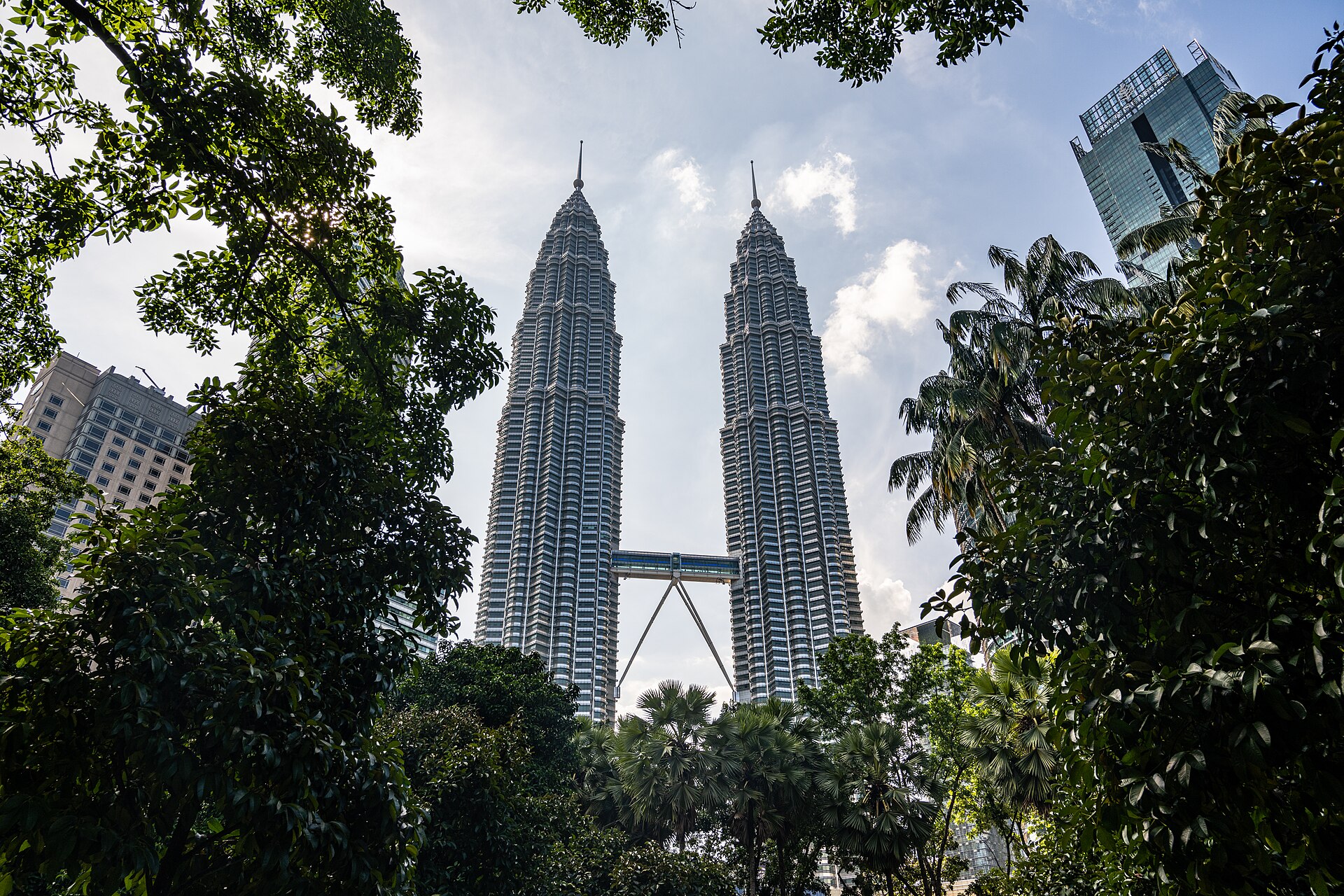
KLCC is probably the easiest Kuala Lumpur location to sell internationally.
Everybody understands the story.
Petronas Twin Towers.
KLCC Park.
Shopping.
Hotels.
Offices.
Restaurants.
Rail.
International city life.
But I think foreign buyers make a mistake when they treat KLCC itself as the property feature.
Because KLCC contains very different residential products.
You can have:
- serviced residences;
- investor-heavy buildings;
- short-stay-oriented stock;
- older luxury condominiums;
- branded residences;
- premium lower-density developments.
These don't provide the same living experience.
The KLCC Long-Stay Problem
If you're buying for long-term own stay, my first concern isn't whether your balcony can see the Twin Towers.
It's:
Who else is using your building?
If the development has significant short-stay traffic, the experience can be very different from a residential owner-occupier building.
Lobby traffic.
Lifts.
Visitors.
Noise.
Security.
Privacy.
Management.
None of this shows up properly in a sales brochure.
That doesn't mean KLCC is unsuitable for long-term living.
A premium, well-managed KLCC residence can be an excellent home.
But that's precisely the point:
For long-term KLCC living, I care enormously about the individual building.
And Space Gets Expensive Quickly
If you're looking for a large three-bedroom home, your options narrow as the requirements increase.
You can certainly find large KLCC residences.
The problem isn't that they don't exist.
The problem is what you may need to pay to get:
large size + quietness + privacy + good management + premium location.
Once the budget climbs far enough, I would start asking whether the buyer should compare KLCC against Pavilion Damansara Heights, Damansara Heights proper, Bangsar or even Desa ParkCity.
Because at that point we're no longer buying "a KL property."
We're choosing a lifestyle.
KLCC as an Investment
I'm even more selective here.
High entry price already raises the hurdle.
Foreign-buyer transaction costs raise it further.
So:
"KLCC has strong rental demand."
isn't enough.
I want to know:
Why this unit?
Is it bought below comparable transactions?
Is it genuinely scarce?
Does it have a tenant segment other units can't easily serve?
Is the building controlled enough to protect its positioning?
Is the layout scarce?
Is there a strong resale buyer?
What happens when competing units come onto the market?
If I can't answer those questions, I don't think "KLCC" alone is an investment thesis.
6. TRX — The New CBD Bet Foreign Buyers Should Not Ignore
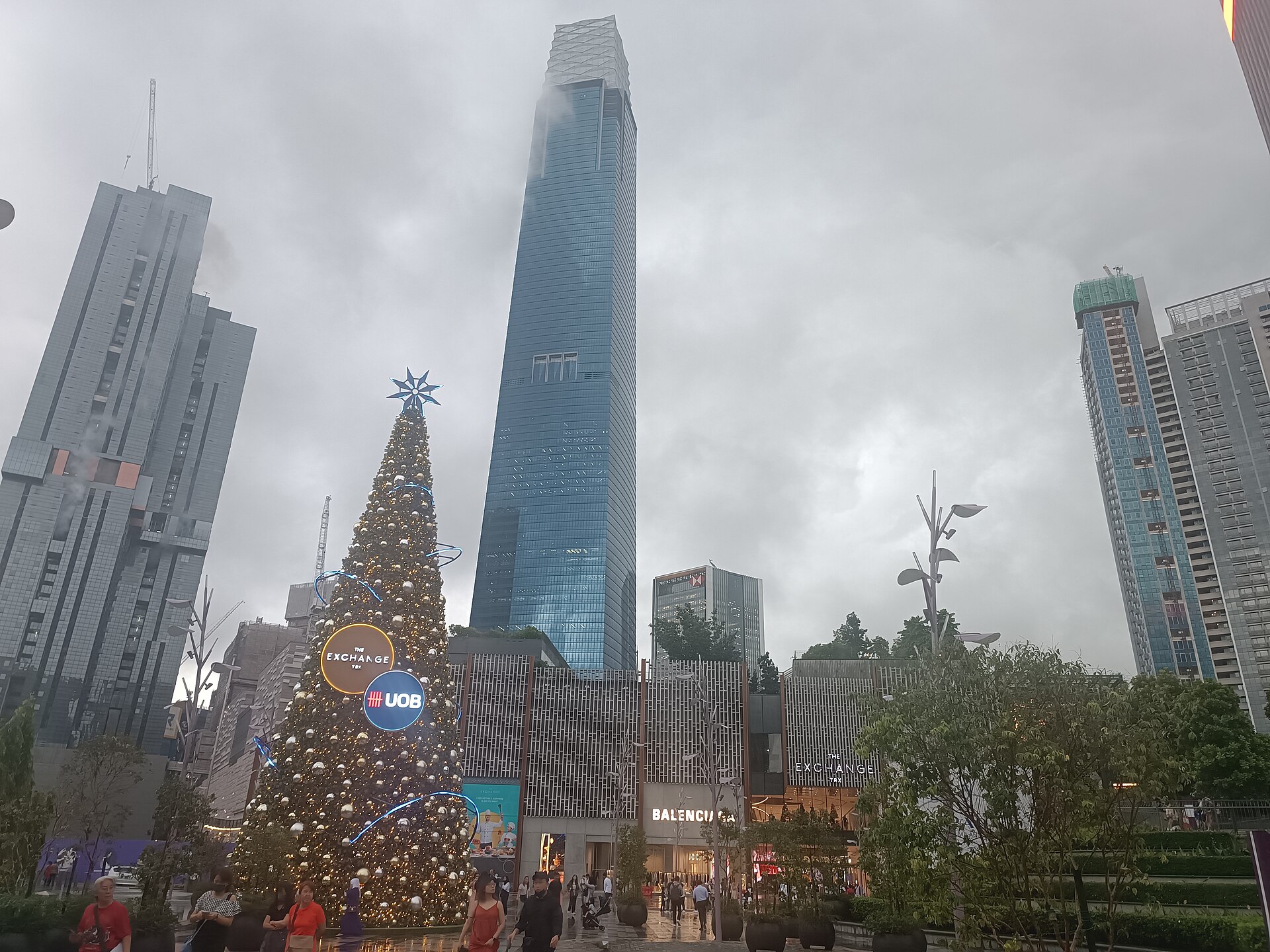
TRX deserves to be in this comparison because it is not just "near KLCC."
It is a different thesis.
KLCC is established prestige.
TRX is the newer financial-district bet.
The appeal is obvious:
- Exchange TRX as a lifestyle anchor;
- Tun Razak Exchange MRT connectivity;
- Grade-A office concentration;
- newer surrounding public realm;
- strong branding as Kuala Lumpur's next CBD node.
For a foreign buyer, I would consider TRX when the question is:
Do I want to buy into where Kuala Lumpur's next finance-and-office cluster is trying to mature?
That can be attractive.
But I would not treat TRX as automatically safer than KLCC just because it is newer.
Newer districts need time to prove their long-stay residential rhythm.
I would ask:
- Is the unit genuinely walkable to MRT and Exchange TRX?
- Is the building more residential, or more investor/serviced-residence led?
- Is the entry price already pricing in all future upside?
- Who is the resale buyer if the financial-district story takes longer than expected?
My view:
TRX is worth shortlisting for buyers who want new-CBD upside and office-led tenant demand, but the exact building and entry price matter more than the TRX label.
7. Bukit Bintang — Exciting, Convenient, and Not for Everyone
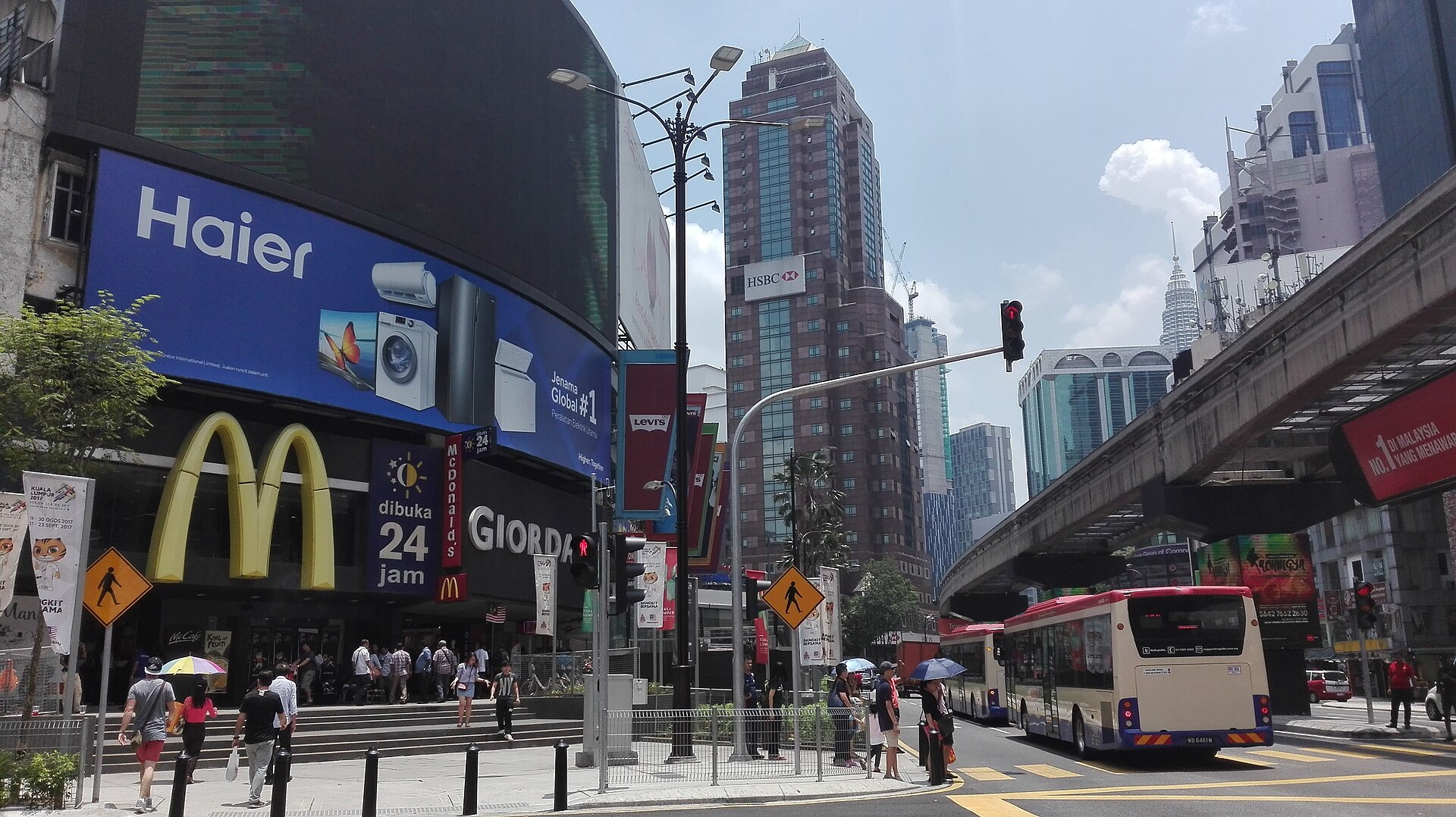
Bukit Bintang is the part of Kuala Lumpur many foreigners understand fastest.
Shopping.
Hotels.
Restaurants.
Nightlife.
Walkability.
MRT and monorail access.
That makes it attractive, especially for buyers who want the city to feel alive the moment they step downstairs.
But as a property decision, Bukit Bintang is not the same as KLCC, TRX or Mont Kiara.
It often leans more toward:
- tourism;
- short-stay demand;
- serviced residences;
- retail-driven footfall;
- smaller city units;
- heavier traffic and noise.
That can be good for the right investor.
It can be tiring for the wrong owner-occupier.
If someone tells me:
"I want a quiet, long-term home where I can live calmly for ten years."
Bukit Bintang is usually not my first answer.
But if someone says:
"I want central KL energy, immediate retail, restaurants, transport, and I understand the trade-off."
then Bukit Bintang should absolutely be discussed.
My caution is simple:
Do not buy Bukit Bintang because it looks busy. Buy it only if the building, management, tenant profile and short-stay exposure make sense.
8. Bukit Jalil — The Market I Think Foreign Buyers Understudy
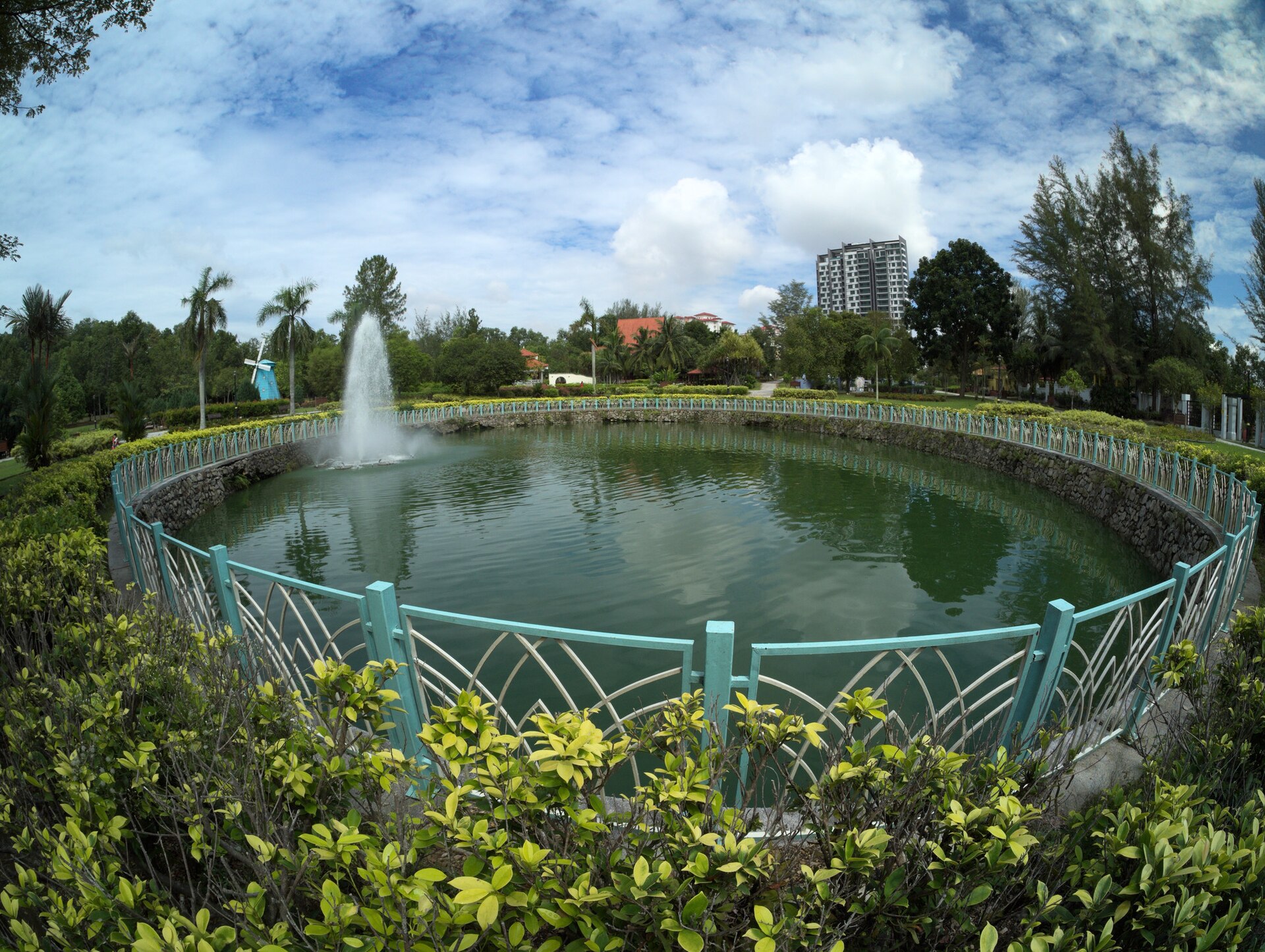
Bukit Jalil is the market where my view differs most from conventional expatriate guides.
I don't think Bukit Jalil should be presented as the "next Mont Kiara."
I think that's the wrong question.
Bukit Jalil has its own proposition.
Within the broader location, you have an unusual combination of:
public transport + greenery + recreational park + golf + major shopping + sports infrastructure + highways + newer housing stock.
Not every development has convenient access to all of these.
That's extremely important.
But as a broader location proposition, I think it's compelling.
Who I Think Should Seriously Look at Bukit Jalil
Imagine a foreign couple with no children.
They don't need to live beside an international school.
They work remotely or don't commute to KLCC every morning.
They want a larger home.
They like greenery.
They want a major shopping mall nearby.
They're comfortable driving.
They don't need their entire social circle to consist of expatriates.
Why should Mont Kiara automatically be their first choice?
I don't think it should.
For this buyer, Bukit Jalil deserves a serious comparison.
But Bukit Jalil Has a Supply Problem You Cannot Ignore
This is where I become much more selective.
Bukit Jalil is not one property market.
A small investor-oriented serviced residence is completely different from a larger owner-occupier condominium.
A genuine Pavilion-connected development isn't the same as something marketed as "near Pavilion."
A project beside LRT isn't automatically comfortable to walk from.
And "new" doesn't mean scarce.
Henry's Bukit Jalil Rule #1: Below 1,000 sq ft, Show Me the Differentiator
This is a personal screening rule, not a statistical law.
If you show me another sub-1,000 sq ft Bukit Jalil unit, my first question is:
Why will someone choose this unit when there are so many alternatives?
Maybe there's an answer.
Direct rail access.
Hospital.
School.
Low density.
Exceptional price.
Excellent layout.
Genuine mall integration.
Fine.
But without something meaningful, I become cautious.
Henry's Bukit Jalil Rule #2: Above RM1,000 psf, Prove It
Again, RM1,000 psf isn't a valuation ceiling.
It's a warning light for me.
Broad Bukit Jalil transaction data remains below that level.
So once a development goes materially above it, I want to know what I am receiving.
Not:
"Nice swimming pool."
Not:
"New launch."
Not:
"Developer sold everything."
I want something difficult to reproduce.
Because:
Sold out proves people bought it. It doesn't prove your eventual buyer will pay you more for it.
Henry's Bukit Jalil Rule #3: Far From Pavilion? Give Me Another Reason
Pavilion Bukit Jalil is a meaningful anchor.
But I would never accept:
"Bukit Jalil = near Pavilion."
There is a major difference between:
directly connected
→ comfortable walk
→ short drive
→ same general area
If the project is relatively far away, I want compensation elsewhere.
Maybe lower density.
Maybe larger units.
Maybe hospital demand.
Maybe school demand.
Maybe rail.
Maybe substantially lower price.
The property needs a reason to exist.
And No — 1,500 Units Doesn't Automatically Mean Bad
I often become cautious when I see a development exceeding roughly 1,500 units.
But I've changed how I express this.
I don't think:
1,501 units = bad project.
That's not meaningful analysis.
Instead, 1,500+ tells me to investigate:
- units per acre;
- number of towers;
- lifts;
- residents per lift;
- car parks;
- visitor parking;
- road access;
- facilities;
- commercial components;
- short-stay exposure;
- surrounding pipeline.
A well-designed 1,600-unit development can function better than a poorly designed 700-unit development.
So density is a system, not a unit count.
If It Were My Money, Which Would I Choose?
Without knowing the buyer, I wouldn't choose one.
But personally, for long-term living, Bukit Jalil and the Damansara Heights/Pavilion Damansara Heights proposition interest me for different reasons.
Bukit Jalil gives me:
convenience + greenery + recreation + relative value.
Pavilion Damansara Heights gives me:
premium integrated convenience + MRT + central accessibility + a more residential context than KLCC.
Desa ParkCity becomes compelling if I heavily value:
community + parks + pets + township environment.
Mont Kiara becomes much more compelling if:
my children's school life revolves around it.
Bangsar appeals when:
I want mature central KL living and strong local relevance.
KLCC wins when:
I genuinely want KLCC itself.
TRX becomes interesting when:
I want a newer CBD thesis with Exchange TRX, MRT and office-led tenant demand.
Bukit Bintang becomes interesting when:
I want retail, nightlife, walkability and tourism-driven city energy, and I accept the trade-offs.
And that distinction matters.
Before I Recommend an Area, I Need 10 Answers
I originally used five questions:
1. Budget? 2. Own stay or investment? 3. How many people are staying? 4. New development or subsale? 5. Cash or financing?
For a foreign buyer, I now think that's insufficient.
I'd add:
6. Do you have children, and where will they study?
This can completely change Mont Kiara.
7. How long do you realistically expect Malaysia to remain your home?
Buying and selling property has friction—particularly for foreign buyers.
8. Where do you actually need to travel every week?
Not theoretical distance to KLCC.
Your actual life.
9. Will you drive?
This single answer can radically reorder the shortlist.
10. What lifestyle feature will you refuse to compromise on?
Pets?
Quietness?
Walkability?
Greenery?
Space?
International community?
Prestige?
The answer often tells me which premium is actually worth paying.
New Launch or Completed Property?
I used to say that buyers above roughly 65 should usually look at completed property.
The research changed how I would phrase that.
65 isn't the important number.
Time is.
If you're buying a home because you want to enjoy Malaysia, waiting four years for completion has a real cost.
A completed property lets you inspect:
the actual view, actual traffic, actual management, actual neighbours, actual lifts, actual noise and actual environment.
For some buyers, that's worth more than a launch discount or a future-development story.
So I would ask:
How much of your life are you willing to spend waiting for the property you bought?
That's a better question than age.
Should You Buy at All?
This is the question I think property agents don't ask enough.
If your money is already working for you overseas, your financial position is stable and you've decided:
Malaysia is where I want to live long term.
Then buying a home here can make sense even if Malaysian residential property isn't the highest-returning investment available to you.
Because the return isn't purely financial.
You're buying the place where you're going to live.
But if you're moving to Malaysia to test a business…
or you're uncertain whether your family will remain here…
or you don't yet know where your children will study…
or you've never actually lived through Kuala Lumpur traffic…
rent first.
There is no prize for buying immediately.
Spend a year learning the city.
Drive Mont Kiara during school hours.
Visit KLCC on weekdays and weekends.
Walk TRX during office hours and after dinner.
Stand at Bukit Bintang on a busy night and ask whether you want to live with that energy.
Experience Pavilion Bukit Jalil during major events.
Walk Desa ParkCity in the evening.
Try Bangsar.
Take the MRT from Pavilion Damansara Heights.
Then decide.
Property brochures can tell you what a development contains.
They cannot tell you whether your life fits there.
My Final Framework
So I don't rank Kuala Lumpur's foreign-buyer markets #1 to #8.
I think about them like this:
Mont Kiara
Do I need the international ecosystem enough to pay for it?
Desa ParkCity
Will I actually use the lifestyle I'm paying a premium for?
Bangsar
Do I value mature local desirability and central living?
Pavilion Damansara Heights
Do I need KLCC—or do I actually need premium integrated convenience?
KLCC
Do I genuinely want the city centre enough to pay for the right building?
TRX
Am I buying a real new-CBD advantage, or just paying for a future-growth story that is already priced in?
Bukit Bintang
Do I want high-energy city living and tourist/retail demand, or will the noise, traffic and short-stay exposure become a problem?
Bukit Jalil
Can I identify a differentiated property inside a location that offers compelling lifestyle value but substantial supply?
That's how I think a foreign buyer should choose.
Not:
"Which area is best?"
But:
"Which premium is worth paying for my life — and which premium am I paying simply because everyone else told me to?"
Because ten years later, the sales gallery will be gone.
The marketing campaign will be forgotten.
What remains is the property, the neighbourhood, your daily life — and the next person who has to believe your property is worth buying.
Sources
- EdgeProp — Bukit Jalil property prices - Bukit Jalil transaction PSF context (as of 22 Aug 2026)