 Freehold
MM2H
Freehold
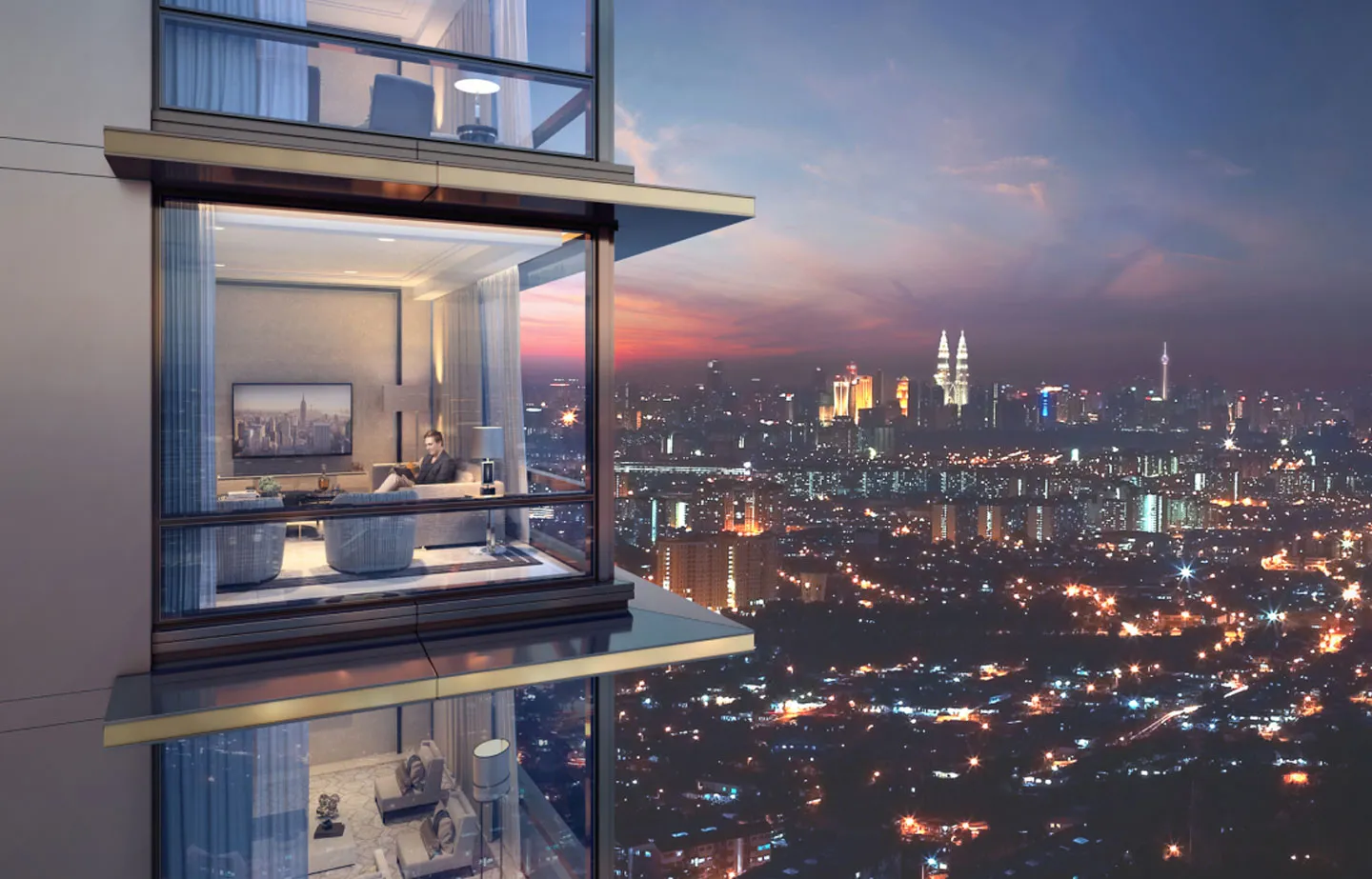
MM2H Damansara Heights
Royal Suites - Pavilion Damansara Heights
Dari RM 754,000
≈ RM 2,932 / month
Damansara Heights, or Bukit Damansara, is one of Kuala Lumpur's most established prestige enclaves. It sits on rolling high ground just west of the city centre and has long been home to embassies, corporate headquarters, old-money bungalows and a growing layer of high-end condominiums and branded residences. This is a small-supply, high-price address — the kind of neighbourhood buyers choose for the name and the location rather than for value.
For transport, the area is anchored by the Pusat Bandar Damansara MRT station on the Kajang Line, which since 2016 has served Damansara Town Centre, Damansara Heights and the fringe of Bangsar. The newer Pavilion Damansara Heights development has a direct pedestrian link into the station. By road you are typically 10-15 minutes from KLCC and Bukit Bintang in normal traffic, with quick access via the Sprint Expressway and Jalan Maarof, though the same roads clog badly at peak hours.
Lifestyle here is centred on Pavilion Damansara Heights mall and the older Plaza Damansara and Bukit Damansara shoplots, which hold a well-known cluster of cafes, fine-dining and neighbourhood restaurants. Bangsar Village and Bangsar's F&B scene are a short drive away. Families have access to established schools in and around the area, and the enclave's green, low-rise character remains a big part of its appeal.
On price, our tracked new-launch range in Damansara Heights runs from about RM754,000 to RM5,429,000, which reflects everything from smaller units to large luxury and branded residences. Treat that as a wide band, not a quote — pricing depends heavily on the specific project, tower, size and view. Compare current live launches and WhatsApp Henry for the real, up-to-date price list rather than relying on a headline figure.
Buyer-wise, Damansara Heights is primarily an own-stay and lifestyle address for higher-net-worth buyers who want prestige and proximity to the city. It can work as an investment, but be realistic: entry prices are high, so gross rental yields tend to be modest, and demand is skewed toward expatriates, executives and affluent tenants rather than mass-market renters. Capital appreciation is the usual argument here, and that depends on picking the right project at the right price.
AskHenry sedang menjejak projek baharu di Damansara Heights. Bandingkan harga terkini, pakej, hak milik, masa siap, layout dan pilihan berdekatan sebelum booking.
★ Projek baharu terbaik di Damansara Heights (2026) — disusun mengikut data →
Freehold
MM2H 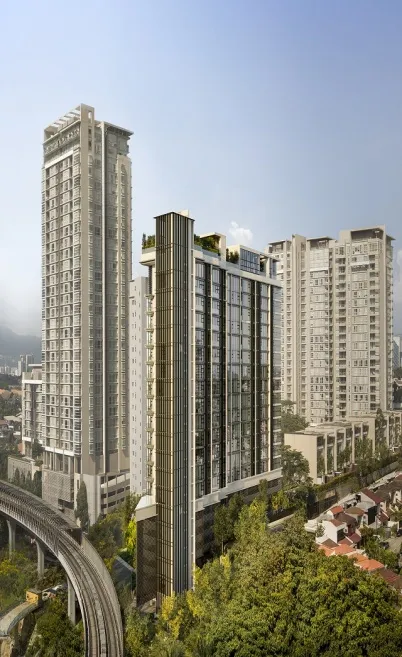 Freehold
MM2H
Freehold
MM2H  Freehold
MM2H
Freehold
MM2H Beritahu bajet anda — Henry akan cadangkan pilihan yang paling sesuai dan tandakan yang patut dielakkan.
Dapatkan shortlist jujur HenryCookie & Privacy Settings
Browsing preferences cleared.
Review your WhatsApp message
You can edit or remove anything before sending.
Get the latest price, available units and floor plans by email